Small Bathroom Shower Planning Tips
Designing a shower in a small bathroom requires careful planning to maximize space and functionality. Efficient layouts can create a sense of openness while providing all necessary features. Various configurations, such as corner showers, alcove installations, and walk-in designs, are popular choices for optimizing limited space.
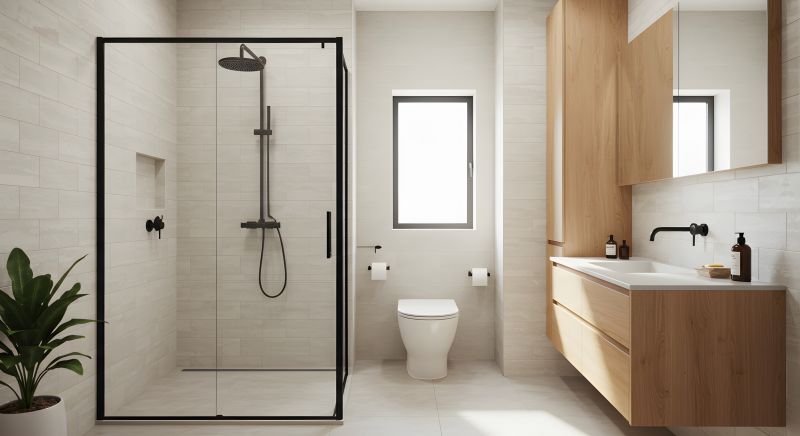
Corner showers utilize two walls to enclose the space, making them ideal for small bathrooms. They often feature sliding or hinged doors, saving space and providing easy access without requiring additional clearance.
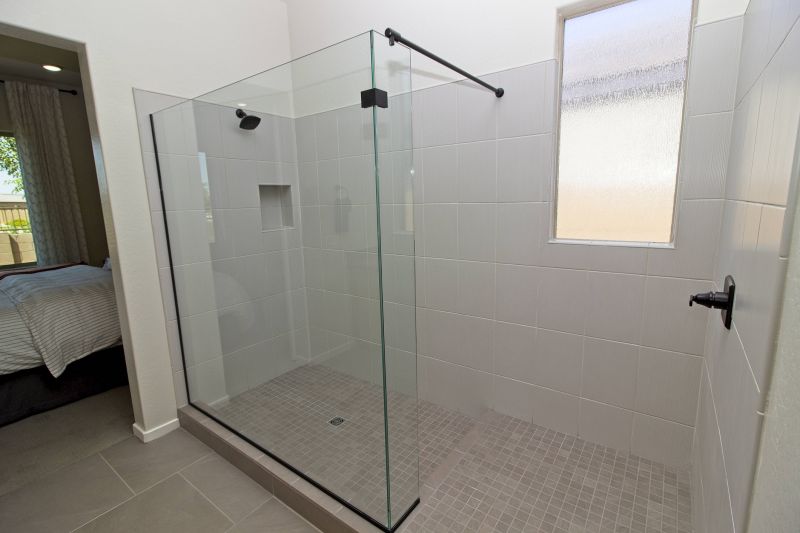
Walk-in showers eliminate doors altogether, creating an open and accessible feel. They often include a single glass panel or partial enclosure, which visually expands the room and simplifies cleaning.
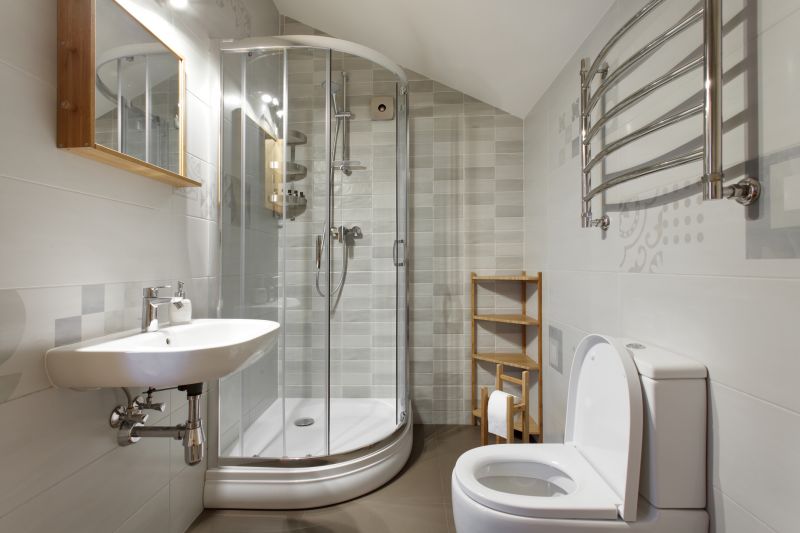
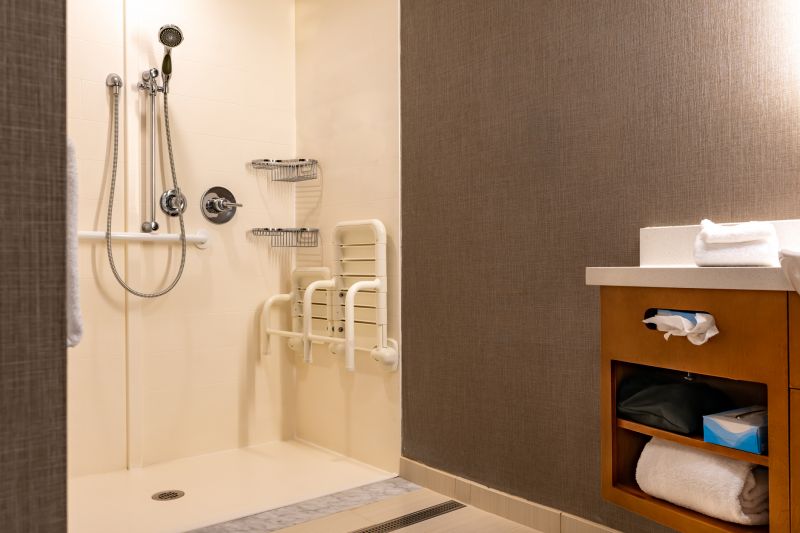
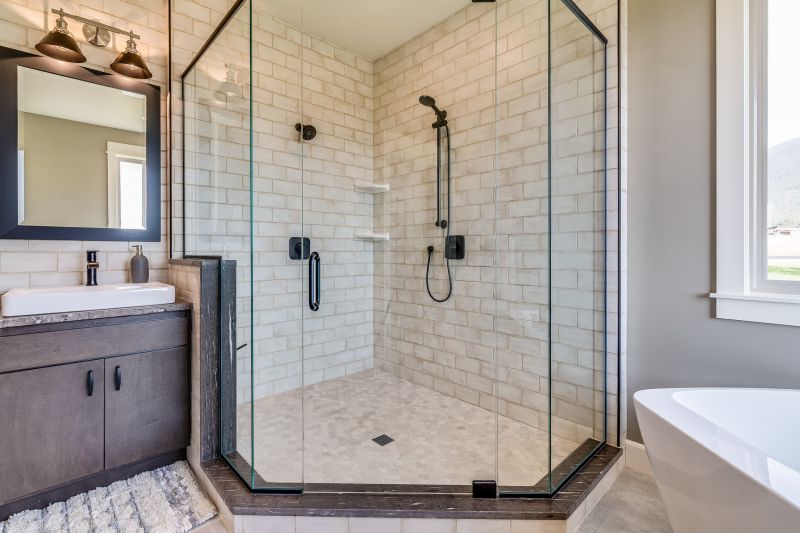
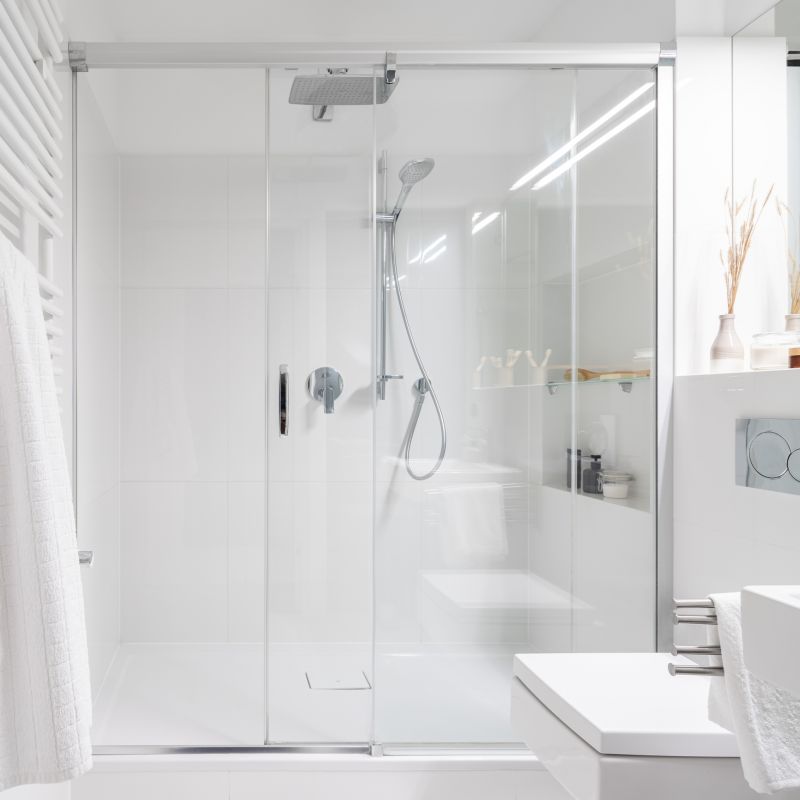
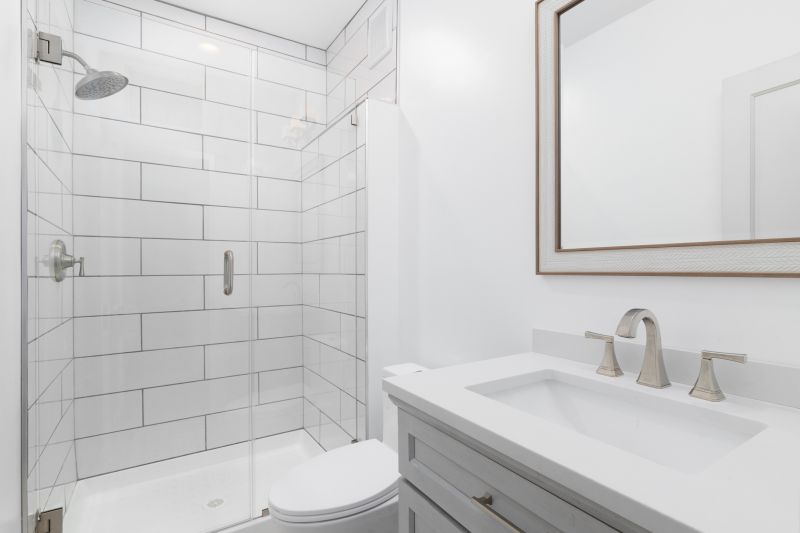
In small bathrooms, the choice of shower enclosure can significantly influence the perception of space. Frameless glass doors are favored for their sleek appearance and minimal visual interruption, helping to make the room feel larger. Meanwhile, built-in niches and shelves can provide storage without encroaching on the limited floor area. Using light-colored tiles and reflective surfaces further enhances the sense of openness.
Sliding doors are space-saving and prevent door swing clearance issues, making them suitable for tight spaces. Hinged doors, while traditional, require more room to open but can be customized with various glass styles for aesthetic appeal.
Light-colored tiles with glossy finishes reflect light, increasing brightness and perceived space. Textured tiles can add visual interest without overwhelming the small area.
Ultimately, small bathroom shower layouts demand a balance of practicality and style. Thoughtful selection of fixtures, thoughtful use of space, and modern design elements can transform a compact area into a functional and visually appealing feature. Proper planning ensures that every inch is utilized efficiently, providing comfort and convenience without sacrificing aesthetics.